Orbit · Tools · Robots & devices · October 2026
A notebook that writes back
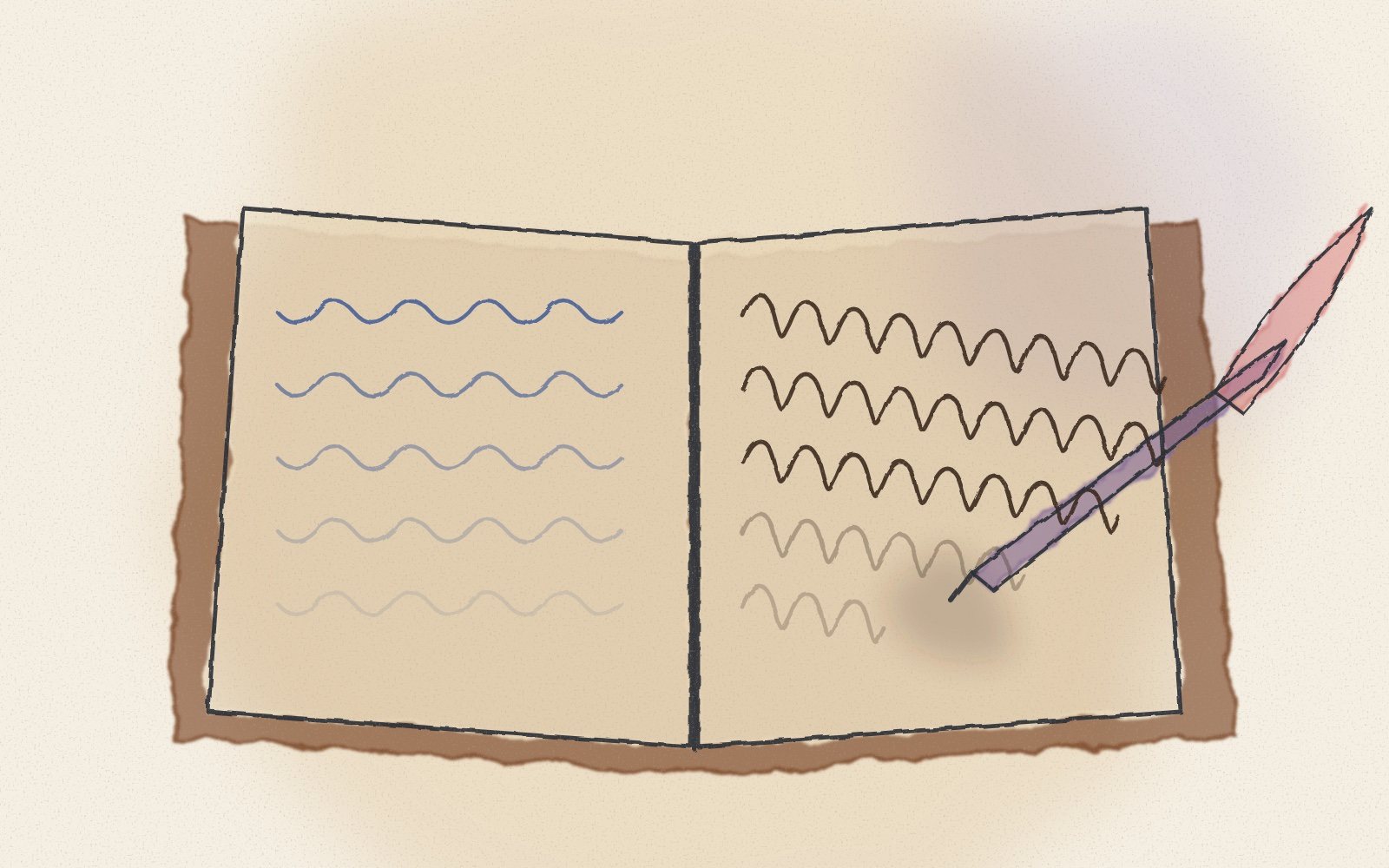
The Diary. Tom Riddle's diary on a Supernote e-ink tablet. Write and rest your pen; your ink fades into the page and an answer writes itself back, letter by letter.
In the second Harry Potter book, Harry writes in an old diary and the ink sinks into the paper. Then words appear on the page that he did not write. Maxime Rivest built that idea as "riddle". I wanted it on paper, or the closest thing I own to paper: a Supernote Manta e-ink tablet.
The magic is that it feels like writing in a notebook, not like typing into a chat window.
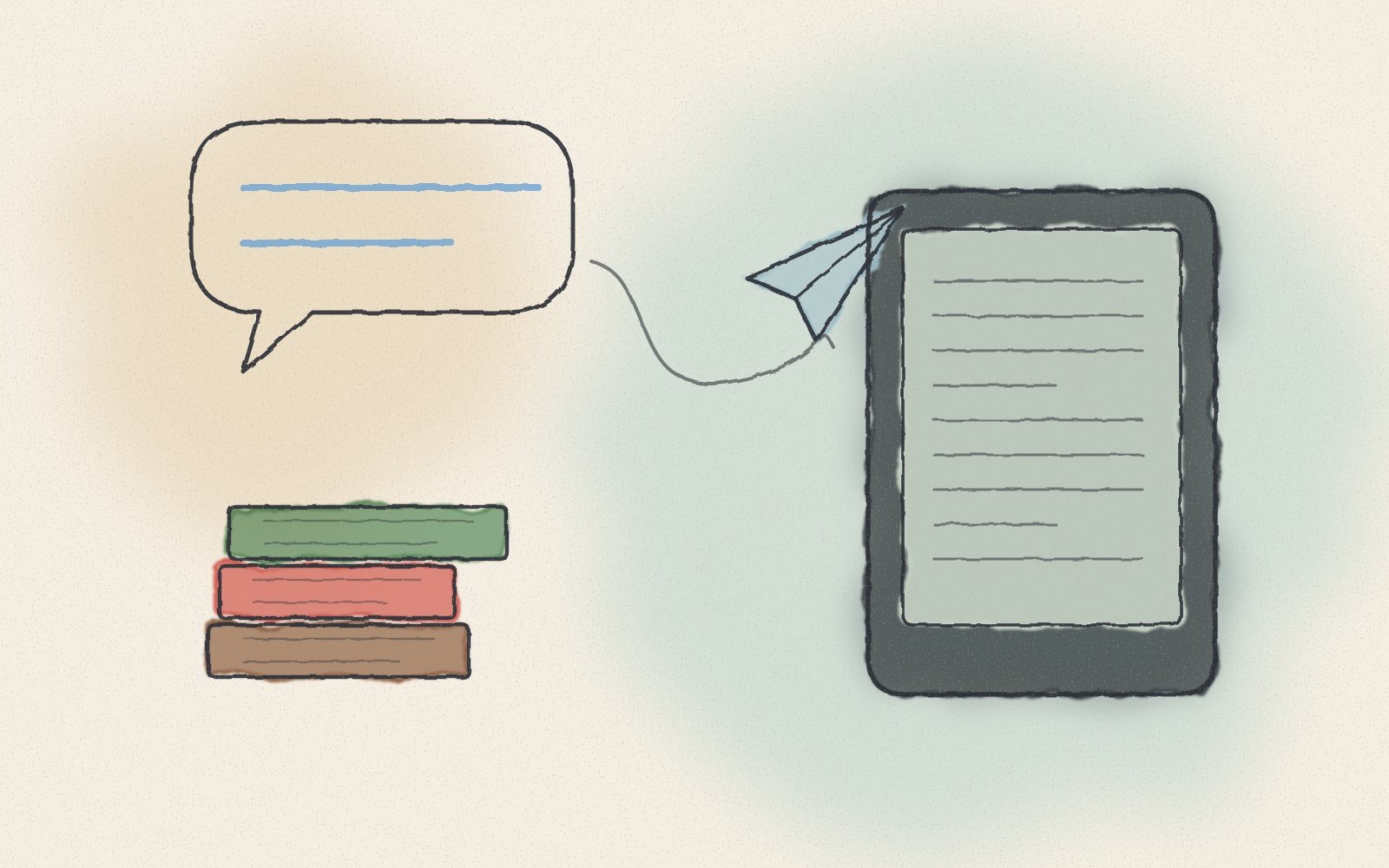
You write on the page by hand and rest the pen on your last stroke. The tablet's own handwriting recognition reads what you wrote. Then your ink slowly fades, as if the paper were drinking it, while a small bridge on my computer asks a language model for Tom's reply: Claude, or a local model through Ollama.
The answer writes itself back stroke by stroke in a flowing hand, lingers for eight to forty seconds and disappears. Ask it what it remembers and it answers with dates.
Most of the work went into the tablet's limits. The plugin host blocks plain HTTP, so the plugin talks to the bridge over raw sockets in native Kotlin. Adding a single pen line to a page takes 60 to 85 milliseconds and blocks the screen, so a long reply written into the note itself took half a minute. The reply is now drawn on the plugin's own layer instead, and the note only keeps what you wrote.
It is still a prototype, and the new way of drawing the reply has yet to be tried on the tablet itself.
Made with TypeScript, Kotlin, Supernote plugin SDK, Claude / Ollama.
Comments
Sign in with GitHub to leave a comment or react.